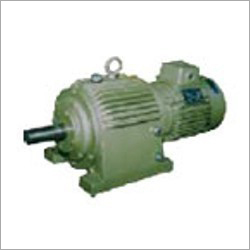
Three Stage Helical AC Geared Motor About
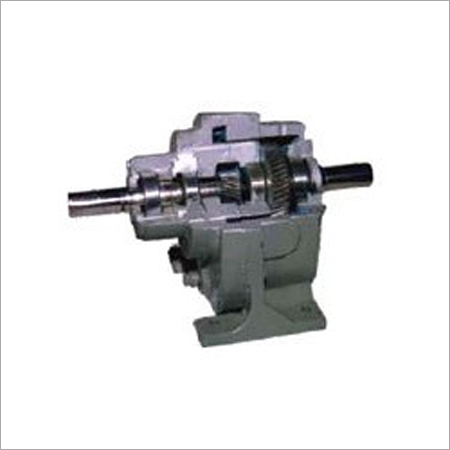
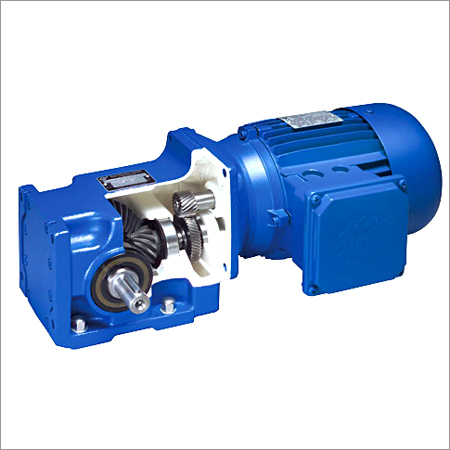
A Three-stage helical AC geared motor is an efficient, cost-effective, and reliable type of motor that is commonly used in industrial applications such as factory automation, robotics, and general machinery. This type of motor features a helical gear arrangement, which provides improved efficiency and quieter operation than traditional spur gear motors.
Robust and Durable ConstructionEngineered with high-strength alloy steel gears that are case hardened and profile ground, this geared motor delivers superior durability and longevity even in rigorous industrial settings. Its totally enclosed fan cooled (TEFC) design protects internal components from dust and moisture, ensuring reliable operation over an extended service life.
Exceptional Performance and EfficiencyThe motor features high efficiency (IE2/IE3), low noise emissions (<72 dB), and operates with minimal vibration, adhering to ISO standards for quality and efficiency. With output torque ranging from 50 Nm to 3200 Nm and speeds from 14 rpm to 280 rpm, it accommodates diverse requirements across a range of heavy-duty applications.
Versatile Mounting and Output OptionsSupporting horizontal, vertical, and custom mounting positions as well as solid or hollow shaft outputs, the motor is highly adaptable to varied installation needs. A broad spectrum of power ratings, shaft diameters, and mounting types (foot/flange) allows seamless integration with existing equipment and custom setups.
FAQ's of Three Stage Helical AC Geared Motor:
Q: How does the three stage helical geared motor improve efficiency in industrial applications?
A: The motor employs precision-engineered gears made from high-strength alloy steel that are case hardened and profile ground, minimizing energy loss and ensuring smooth power transmission. Its high efficiency rating (IE2/IE3) and advanced lubrication further reduce operational friction, leading to decreased power consumption and longer service intervals.
Q: What types of mounting positions are supported by this geared motor?
A: This motor is designed for flexibility, supporting horizontal, vertical, and custom mounting positions, and can be foot or flange mounted. This allows it to be easily integrated into a wide array of machinery and industrial setups according to specific requirements.
Q: Where can this motor be used, and what types of equipment is it suitable for?
A: It is ideal for use in conveyor systems, material handling equipment, mixers, agitators, cranes, and any application requiring reliable, continuous (S1 duty) operation with compact design and robust torque output.
Q: What process steps are followed during installation and startup?
A: Installation typically begins with positioning the motor as per mounting requirements, securely fixing it using the recommended mounting type, and ensuring correct alignment of the output shaft. Electrical connections must be set according to rated voltage (380 V/415 V, 50/60 Hz, three-phase), followed by checking lubrication levels and ensuring safety compliance before a direct on line (DOL) startup.
Q: What are the main benefits of choosing a three stage helical geared motor with this specification?
A: Key benefits include higher torque transmission, compact design, lower noise and vibration levels, high operational efficiency, versatile mounting and output options, robust IP55 protection, support for various power and speed ranges, and compatibility with extensive accessories for process automation and control.
Q: When should backstop and additional accessories like brakes or encoders be considered?
A: Backstop and accessories, such as brakes or encoders, are recommended when additional functionality is required for safety or process control-for example, in applications where reverse rotation needs to be prevented or precise motion feedback/control is necessary. These options can be integrated on request based on your application needs.
Q: How is noise and vibration controlled in these geared motors?
A: Noise emission is kept under 72 dB and vibration levels are maintained as per ISO standards through precision gear manufacturing, effective oil lubrication, and optimized bearing arrangements (deep groove ball bearings). This results in quieter, smoother operation even in demanding industrial environments.


 Send Inquiry